WASHINGTON (AP) — At least two of several agreements aimed at ending global conflicts that President Donald Trump has hailed as evidence of his negotiating prowess are in trouble and at risk of collapsing.
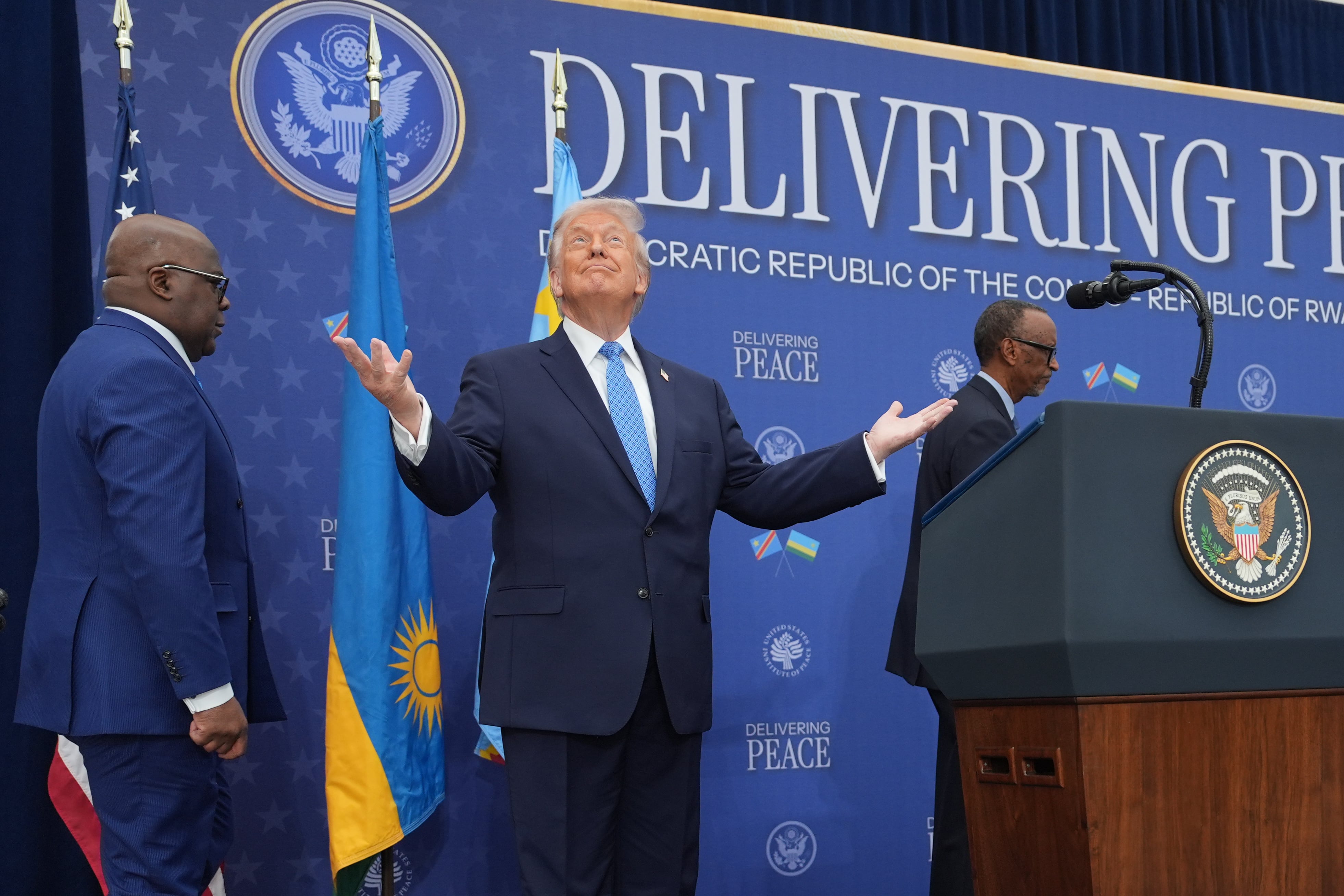
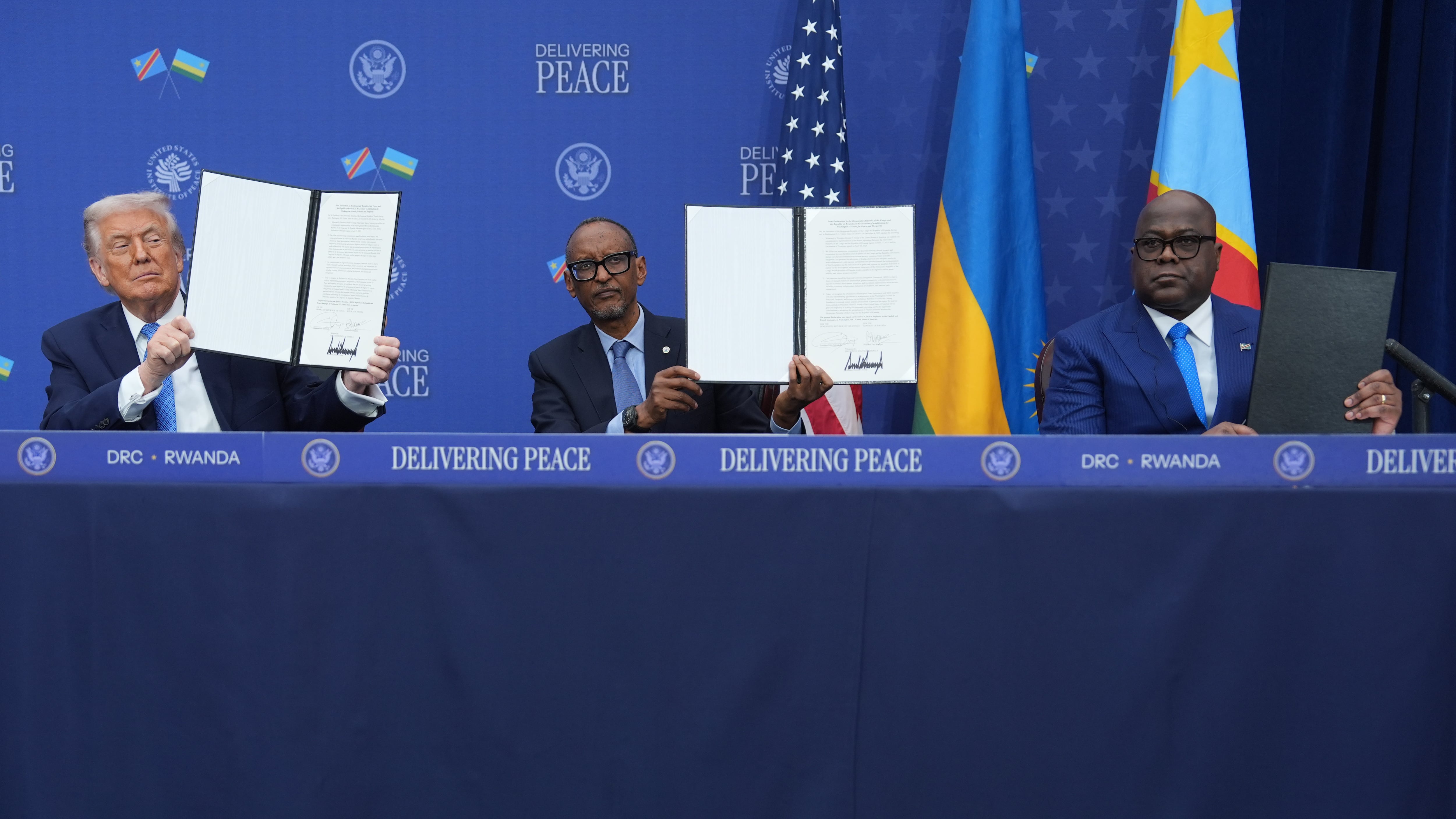
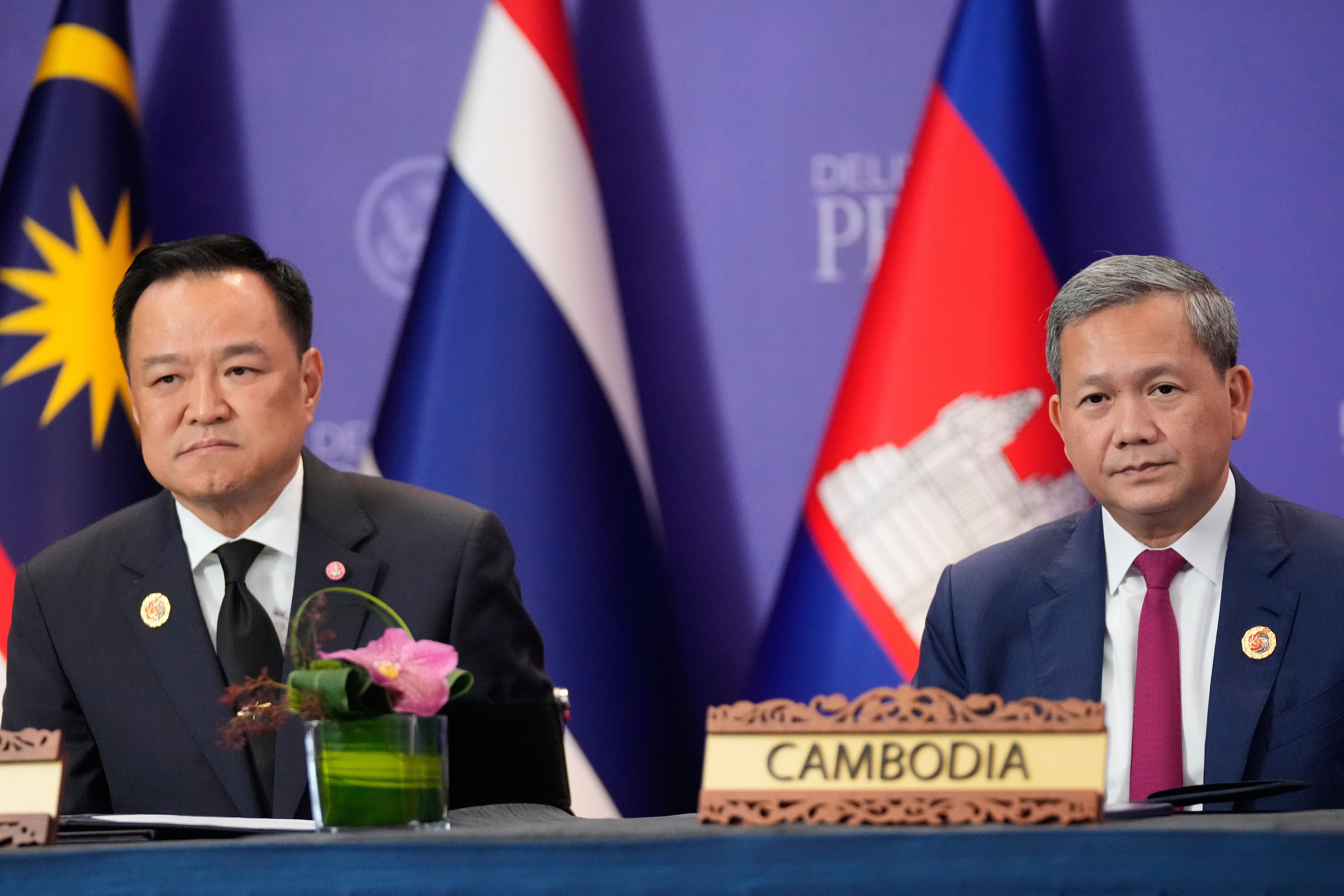
Less than a week after Congo and Rwanda signed a deal in Trump’s presence in Washington meant to halt fighting in eastern Congo and less than two months after he witnessed Cambodia and Thailand sign a ceasefire pact in Malaysia to end their border conflict, fighting has surged in both places.
The developments have caused international alarm that on Tuesday resulted in urgent calls to halt the renewed violence from countries involved in the African Great Lakes region and from U.S. Secretary of State Marco Rubio.
In each case, the statements urged the combatants to live up to their commitments in the deals that Trump has touted in part as the rationale for casting himself as the "president of peace.”
A joint statement released by the International Contact Group for the Great Lakes expressed “profound concern” over the situation in Congo’s South Kivu region, where new deadly violence blamed on the Rwandan-backed M23 militia group has exploded in recent days.
“The ICG urges the M23 and the Rwanda Defence Force (RDF) to immediately halt their offensive operations in eastern DRC, in particular in South Kivu, and calls on the RDF to withdraw from eastern DRC and on M23 to return to its positions” as stipulated in multiple agreements that culminated in the signing of a deal in Washington on Thursday with Presidents Felix Tshisekedi of Congo and Paul Kagame of Rwanda.
The White House had touted it as a “historic” agreement brokered by Trump following monthslong peace efforts by the U.S. and its partners, including the African Union and Qatar, finalizing an earlier deal signed in June.
“It’s a great day for Africa, a great day for the world,” Trump said then. He added, “Today, we’re succeeding where so many others have failed.”
The Great Lakes contact group — which includes Belgium, Britain, Denmark, France, Germany, the Netherlands, Sweden, Switzerland, the United States and the European Union — urged all sides “to uphold their commitments" under the deal signed last week and "immediately deescalate the situation.”
In a separate statement, Rubio said the U.S. is concerned by an uptick in fighting between Cambodia and Thailand along their contested border, just over a month after the two countries signed an agreement in Malaysia that was pushed for by Trump.
“We strongly urge the immediate cessation of hostilities, the protection of civilians, and for both sides to return to the de-escalatory measures outlined in the October 26 Kuala Lumpur Peace Accords," Rubio said in a statement.
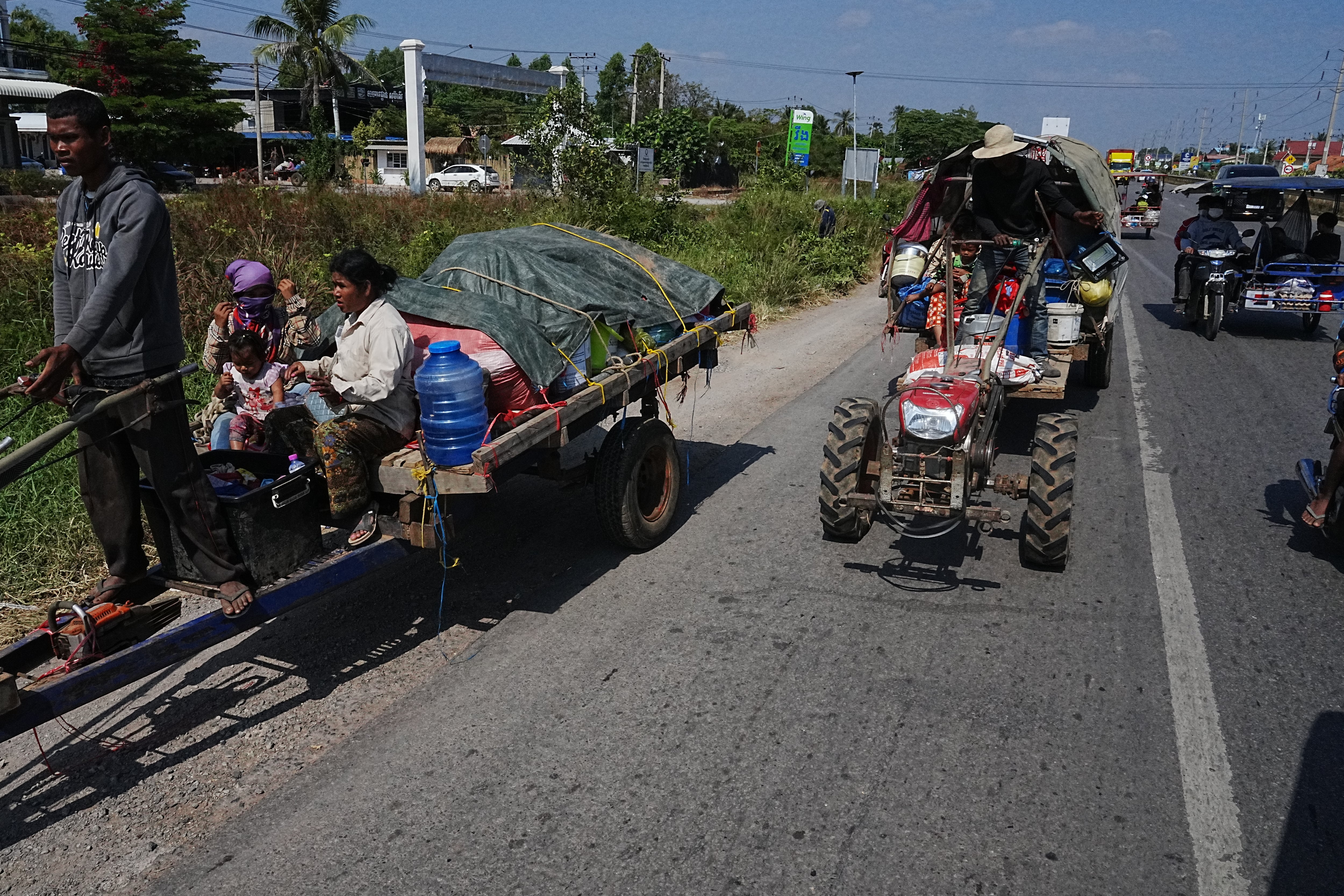
The Cambodia-Thailand deal has been faltering for weeks, but took a big hit when fighting broke out following a weekend skirmish in which two Thai soldiers were injured. Five days of fighting since has left dozens dead on both sides and forced the evacuation of over 100,000 civilians.
A senior Trump administration official, who was not authorized to comment publicly and spoke on condition of anonymity, said the president was committed to ending the violence and that he expected Thailand and Cambodia to “fully honor their commitments.”
Trump has repeatedly cited seven or eight agreements, including these two, as proof of his success in ending conflicts, although another one — an internationally endorsed plan to end the Israel-Hamas war in Gaza — is still unfinalized and in limbo with sporadic fighting continuing while a critical second phase remains a work in progress.
His efforts to halt the fighting between Russia and Ukraine have so far proven unsuccessful. Other deals Trump has been involved with and claimed as successes include those between India and Pakistan, Armenia and Azerbaijan, Israel and Iran, Kosovo and Serbia, and Egypt and Ethiopia.
___
Associated Press writer Aamer Madhani contributed to this report.
Copyright 2025 The Associated Press. All rights reserved. This material may not be published, broadcast, rewritten or redistributed without permission.