

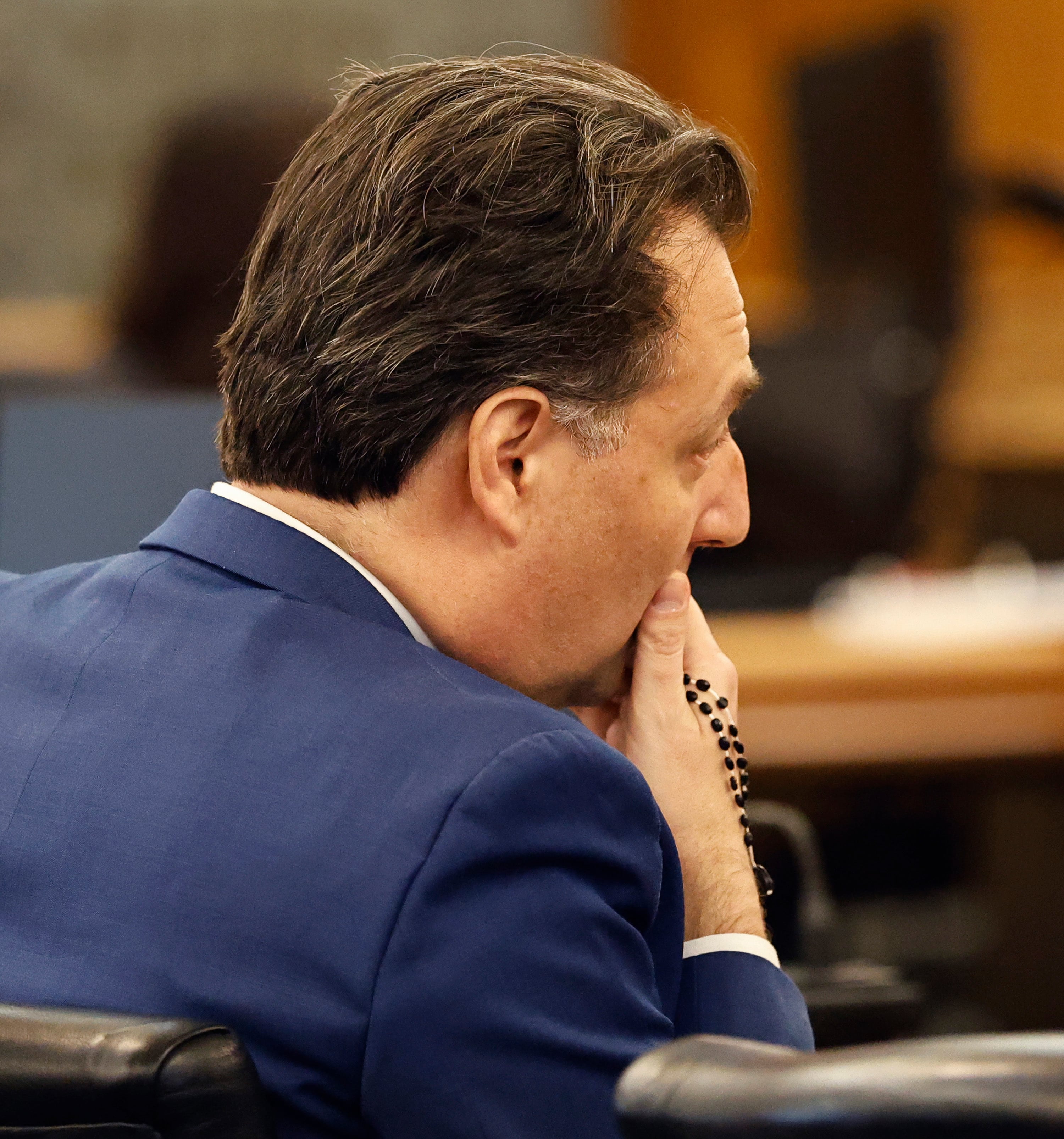
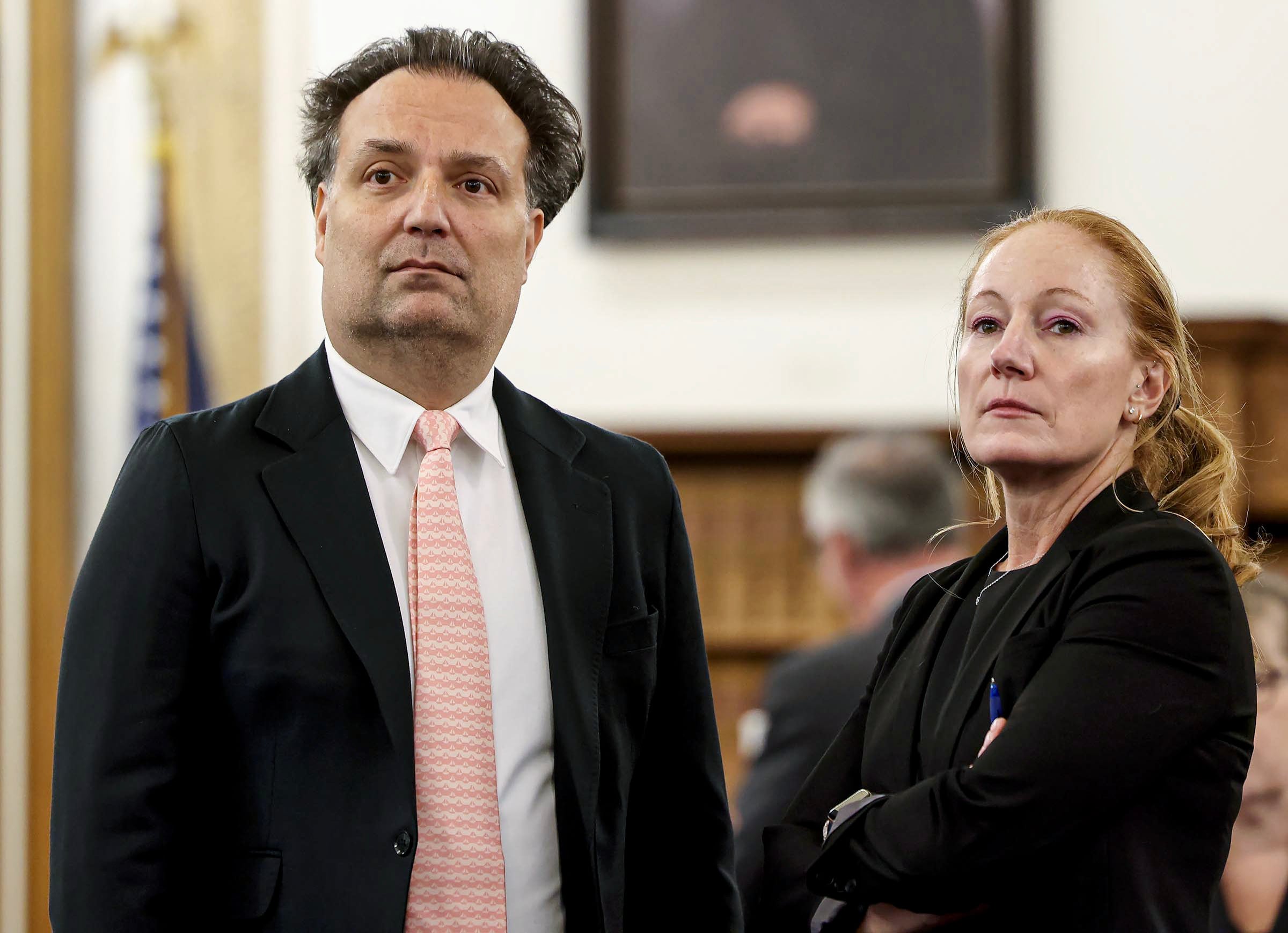
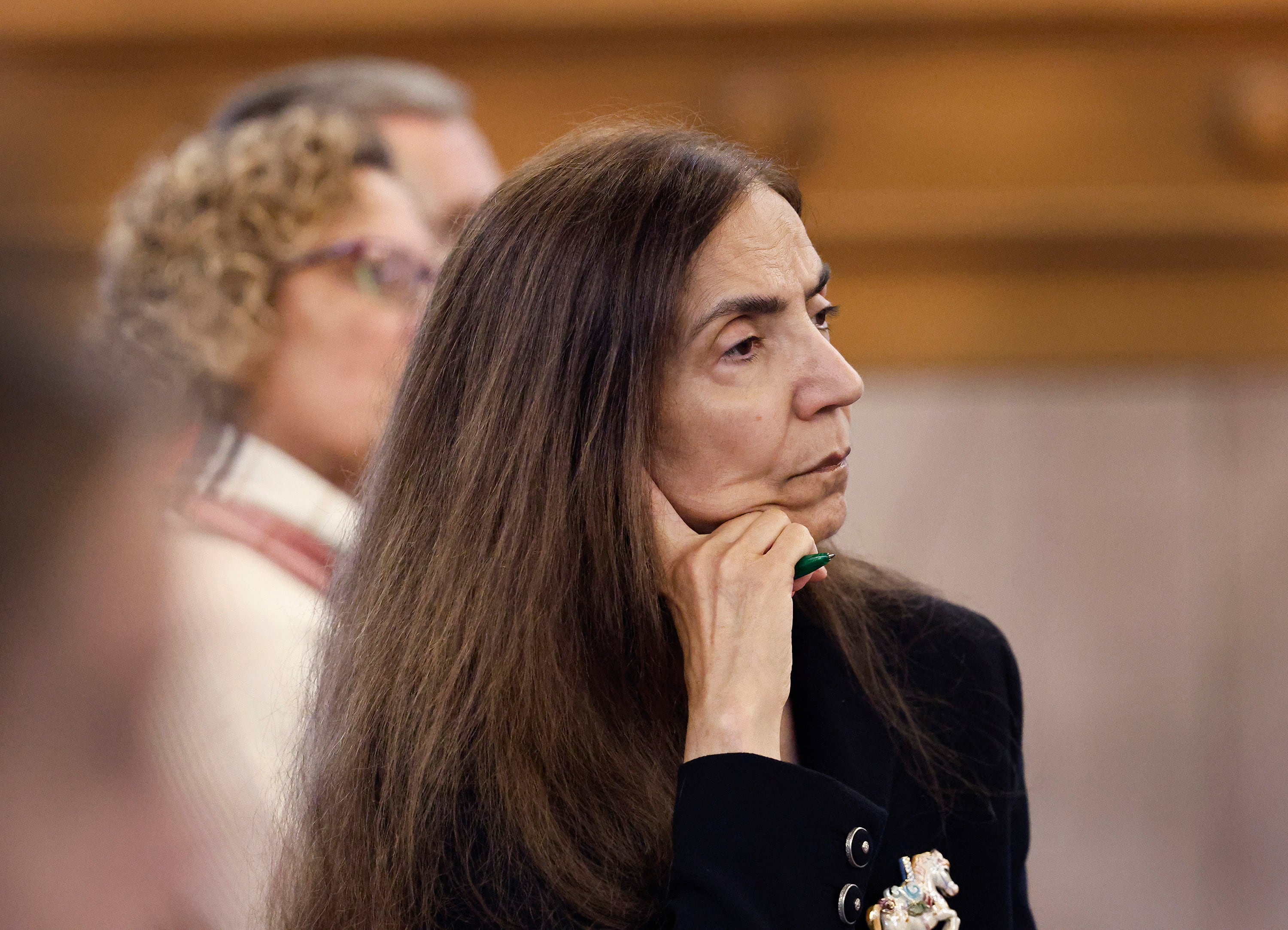



DEDHAM, Mass. (AP) — Prosecutors Monday argued a Massachusetts man was responsible for the grisly murder of his wife who disappeared more than two years ago while his lawyers argued the man panicked after she suddenly died in bed.
Ana Walshe, an immigrant from Serbia who was the family's breadwinner, was last seen early on Jan. 1, 2023, following a New Year’s Eve dinner at her Massachusetts home. Her body has never been found. Her husband, Brian Walshe, faces a first-degree murder charge, after agreeing to plead guilty last month to lesser charges of misleading police and willfully disposing of a human body in violation of state law.
“We will prove the defendant guilty beyond a reasonable doubt of the premeditated murder of his wife Ana Walshe,” Assistant District Attorney Gregory P. Connor said in his opening statement, adding that among the evidence presented will Brian Walshe extensive internet search that implicated him in her death and items including a hacksaw and hatchet.
Walshe's attorney, Larry Tipton, argued this was not a case of murder but what he called a “sudden unexplained death” of Ana Walshe. He portrayed a couple who loved each other and was planning for the future before Ana Walshe died after celebrating New Year's Eve with her husband and a friend.
“When he entered the bedroom and began to get into bed, he sensed something was wrong. You will hear evidence that it made no sense to him,” Tipton told the jury. “He nudged Ana his wife. She didn't respond. He nudged her again a little harder. She didn't respond. He nudge her now in a panicked and frantic reaction to where she actually rolled off the bed.”
Prosecutors have said that starting on the day of Ana Walshe's disappearance and for several days after, Brian Walshe made multiple online searches for “dismemberment and best ways to dispose of a body,” “how long before a body starts to smell” and “hacksaw best tool to dismember.”
When questioned by investigators, Walshe said his wife had been called to Washington, D.C., from Massachusetts on New Year’s Day for a work emergency. He didn’t contact her employer until Jan. 4. The company — the first to notify police that Ana Walshe was missing — said there was no emergency, prosecutors said.
Investigators said surveillance video showed a man resembling Walshe throwing what appeared to be heavy trash bags into a dumpster not far from their home, and that a search of a trash processing facility near his mother’s home uncovered bags that contained a hatchet, hacksaw, towels and a protective Tyvek suit, cleaning agents, a Prada purse, boots like the ones Ana Walshe was last seen wearing and a COVID-19 vaccination card with her name.
Prosecutors have also said that Ana Walshe had taken out $2.7 million in life insurance naming her husband as the sole beneficiary. The couple, who have three young children now in state custody, lived in the affluent coastal community of Cohasset, about 15 miles (24 kilometers) southeast of Boston.
At the time, Walshe was at home awaiting sentencing in an unrelated art fraud case involving the sale of two fake Andy Warhol paintings. He was ultimately sentenced this year to more than three years behind bars and ordered to pay $475,000 in restitution.
The trial's outcome could be impacted by potential witnesses from the Massachusetts State Police, including Michael Proctor, who was the lead investigator on the Karen Read case.
Read, who was found not guilty of charges in the death of her boyfriend, filed a lawsuit this month accusing members of the Massachusetts State Police and several others including Proctor of targeting her and shielding the real killers.
The former state trooper was fired after sharing offensive and sexist texts about Read with friends, family and co-workers. During the second trial, Read’s defense attorney Alan Jackson argued Proctor’s “blatant bias” tainted every aspect of the corrupt and flawed investigation.
Copyright 2025 The Associated Press. All rights reserved. This material may not be published, broadcast, rewritten or redistributed without permission.