


CARACAS, Venezuela (AP) — Venezuelans on Sunday remained shell-shocked a day after President Nicolás Maduro was deposed and captured in a U.S. military operation, with an uncertain future ahead in the South American nation.
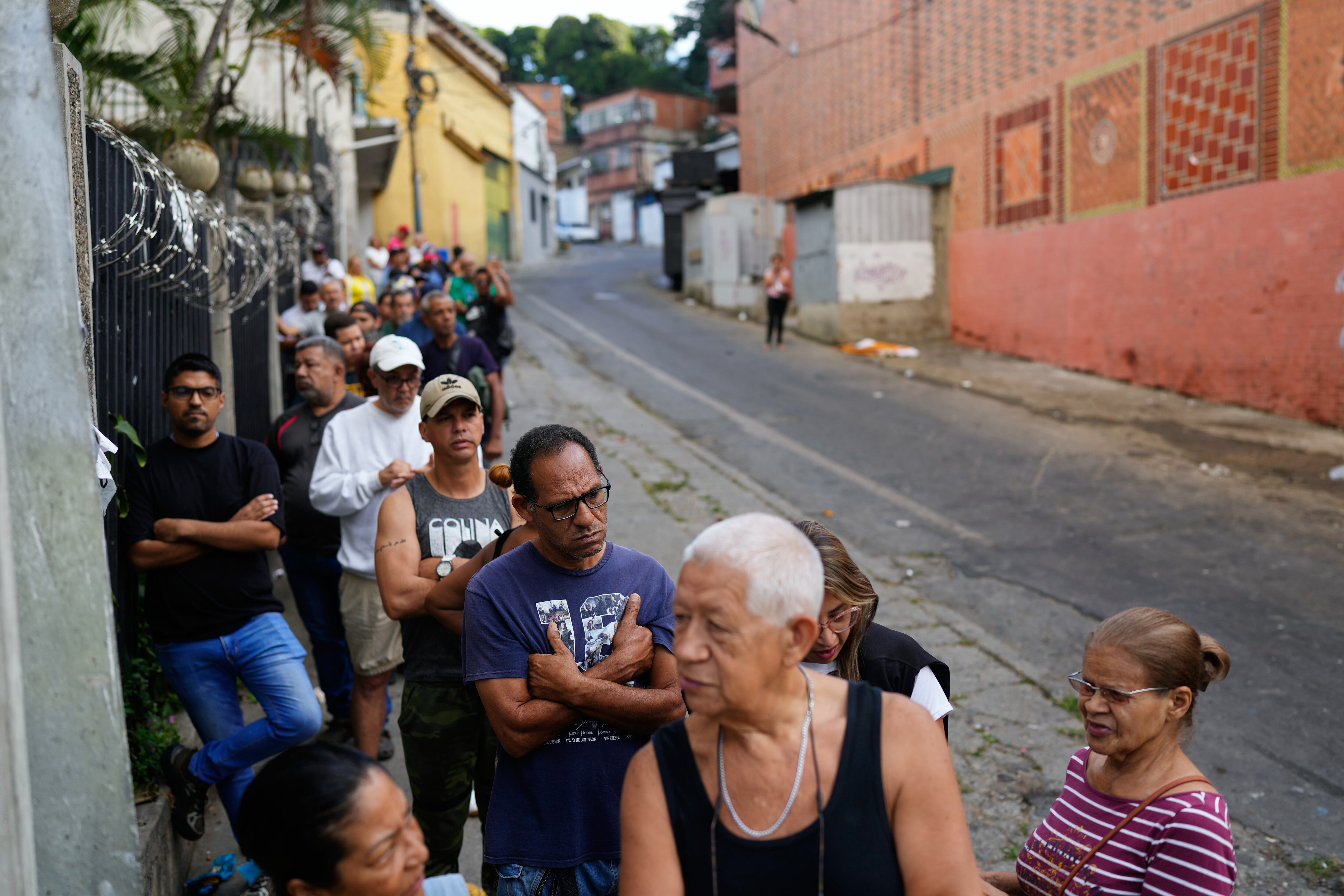
A tense calm settled over the capital, Caracas, which was unusually quiet. Many stores, gas stations and churches remained closed and people patiently lined up outside others, staring at their phones or into the distance.
“People are still shaken,” said 77-year-old David Leal, who arrived to work as a parking attendant but realized he likely would not have customers. He pointed to the deserted street.
While Maduro was in custody in New York, the officials who had surrounded him remained in power and demanded his release. Venezuela’s presidential palace was guarded by armed civilians and members of the military.
U.S. President Donald Trump on Saturday asserted that his administration would “run” Venezuela with the help of Delcy Rodríguez, Maduro’s vice president and now the interim president after a high court’s order.
But Secretary of State Marco Rubio on Sunday appeared to back off Trump's assertion. In interviews with CBS and ABC, he insisted instead that Washington will use control of Venezuela’s oil industry to force policy changes. He said the government currently in place was illegitimate but a step toward where the U.S. wanted Venezuela to be.
“We want to see Venezuela transition to be a place completely different than what it looks like today. But obviously, we don’t have the expectation that’s going to happen in the next 15 hours,” Rubio said. “There has to be a little realism here.”
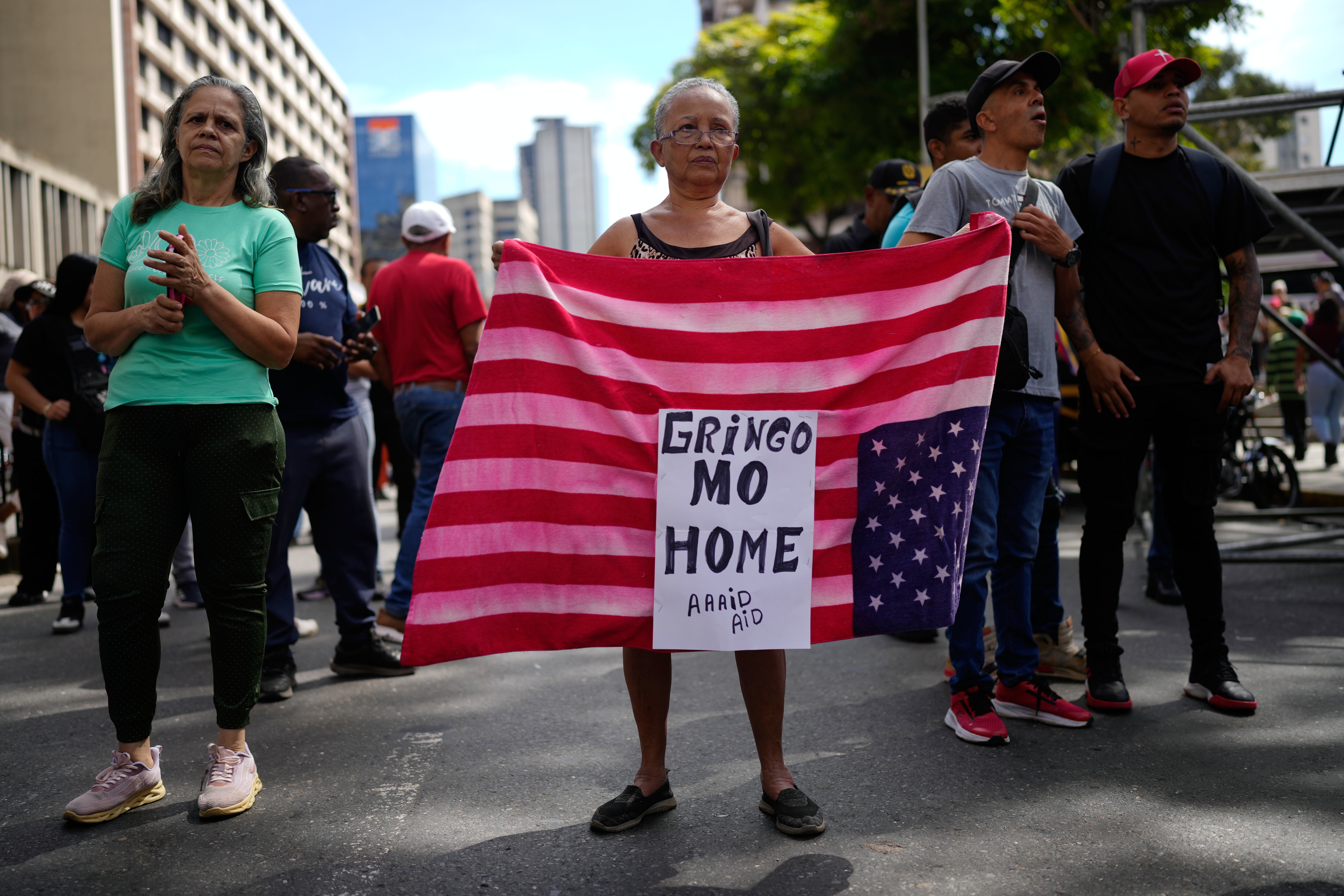
While Venezuelans in the U.S. and Latin America broke out in celebration or protest, there were no signs of celebration within the country. A number of government supporters rallied over the weekend, some burning U.S. flags and holding signs reading “gringo go home".
In a low-income neighborhood in eastern Caracas, construction worker Daniel Medalla sat on the steps outside a Catholic church and told a few parishioners that there would be no morning Mass.
Medalla said he believed the streets remained mostly empty because people fear government repression if they dare celebrate.
“We were longing for it,” Medalla, 66, said of Maduro’s exit.
There are fresh memories of a government crackdown during 2024's fraught elections, which Maduro was widely accused of stealing. Street protests left 28 people dead, 220 injured and at least 2,000 detained, according to official figures.
In the coastal state of La Guaira, families with houses damaged in blasts during the overnight operation that captured Maduro and his wife were cleaning up debris.
Wilman González, who was left with a black eye from a blast, picked through rubble on his floors, surrounded by broken furniture. One part of his apartment building was almost entirely blown off, leaving walls gaping.
A number of people were killed by the U.S. strikes, though Venezuelan officials did not confirm how many.
Among those killed was González's aunt.
“This is it, what we are left with: ruins,” he said.
González spoke with anger at the wreckage but also at the compounding economic and political crises that Venezuela has endured for decades.
“We are civilians, we are not with the government or anyone else," he said.
___
Janetsky reported from Mexico City. Arraez reported from La Guaira, Venezuela.
Copyright 2026 The Associated Press. All rights reserved. This material may not be published, broadcast, rewritten or redistributed without permission.