

MIAMI (AP) — Salvadoran nationals who were deported from the United States have been arbitrarily detained in El Salvador and have disappeared into the Central American nation's prison system, according to a Human Rights Watch report released on Monday.
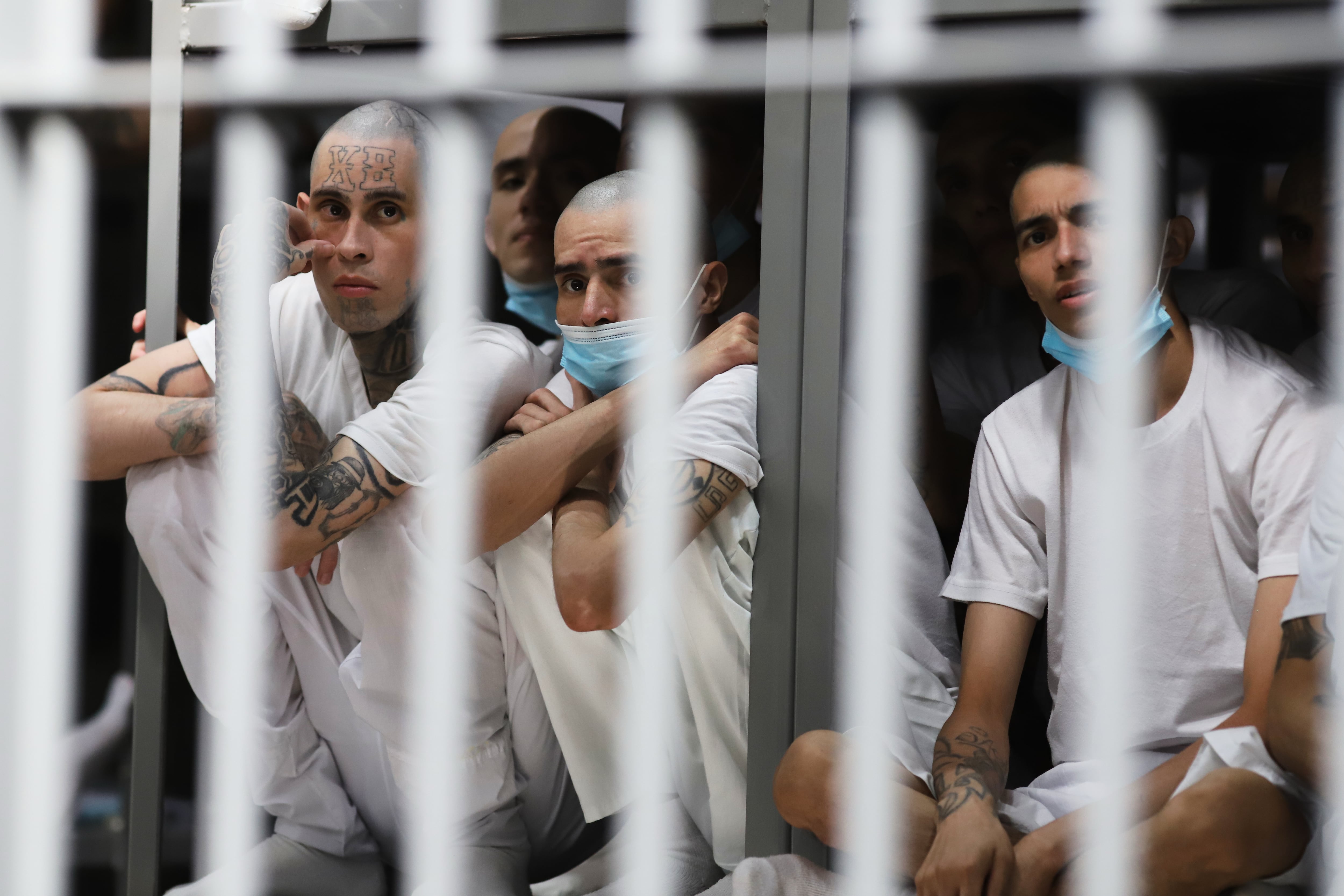
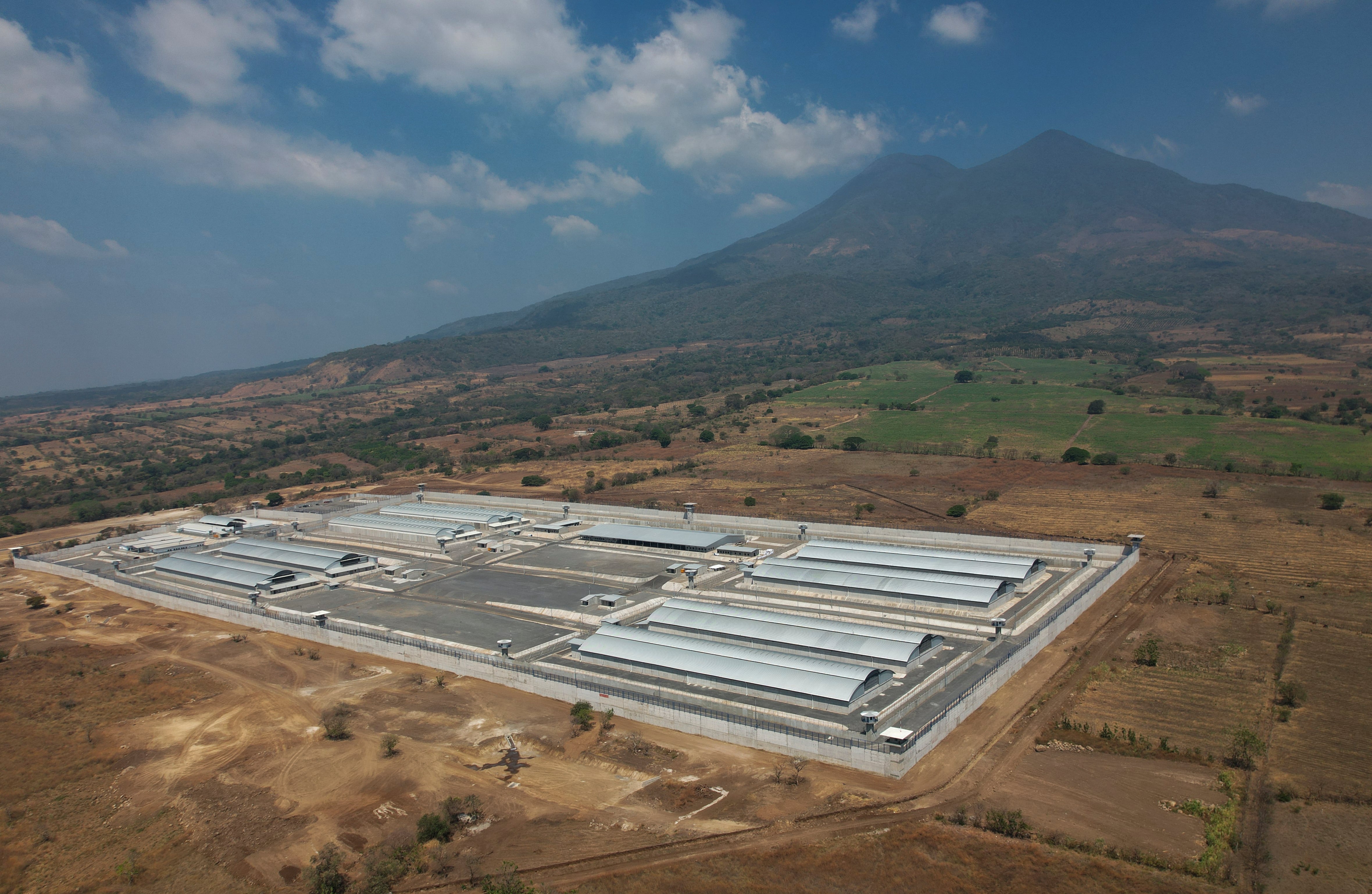
The detainees featured in the report are among more than 9,000 Salvadorans deported from the U.S. since the beginning of President Donald Trump's second administration in January 2025. Some of them were deported alongside Venezuelans and sent to the Center for Terrorism Confinement, a mega prison in El Salvador also known as CECOT, according to the New York-based human rights group.
The report did not say exactly how many people are subject to arbitrary detention. The group interviewed 20 relatives and lawyers of 11 Salvadorans who were deported from the U.S. between March and October 2025 and immediately detained in El Salvador. The detainees cannot communicate with their families or talk to lawyers, the group said.
“They have a right to due process, to be taken before a judge, and their relatives are entitled to know where they are being held and why,” said Juanita Goebertus, the Americas director at Human Rights Watch. “Deportation cannot mean enforced disappearance.”
El Salvador’s Presidential Office did not respond to a request for comment on the report.
Detainees disappearing into El Salvador’s prison system has become a regular phenomenon since President Nayib Bukele declared a “state of emergency” in March 2022 to suppress the country’s gangs.
The once temporary measure, which has been extended for nearly four years, suspends key constitutional rights and has led to around 91,300 people being detained in El Salvador. Bukele says 8,000 innocent people have been released.
Most have been detained based on scant evidence and vague accusations. Detainees have very little access to due process — prisoners are often judged in mass trials and lawyers regularly lose track of their clients.
Prisons have been accused of human rights abuses for years. Rights groups have documented cases of beatings by prison guards, sexual abuse and deteriorating prison conditions. Detainees' families often agonize, unsure if they will ever see their loved ones again.
Human Rights Watch said Salvadoran authorities have provided no information suggesting any of the detainees have been brought before a judge. The relatives and lawyers of some of the detainees say they don't know where they are being held or why, the report said. In five cases, relatives knew the deportees' whereabouts through litigation at the Inter-American Commission on Human Rights.
Many of the Salvadoran deportees have family in the U.S.
“I still know nothing about my son, nothing,” said a 47-year-old mother of a Salvadoran who was deported on March 15, 2025. “I want information. I want someone to tell me that my son is OK, that he’s alive.”
The woman, who lives in Maryland without legal status, said she last talked to her 29-year-old son when he called her about three days before he was deported. She said she discovered her son was in El Salvador six months after the deportation, when she saw a photo that Bukele posted online showing detainees at CECOT.
The woman asked not to be identified for fear of being arrested in the United States. She also asked that her son’s identity be kept anonymous, for fear of reprisals in prison. She said her son crossed the Mexican border when he was 17 and had lived in the U.S. for more than a decade.
The Trump administration says several of the Salvadorans who were deported are members of the MS-13 gang. Human Rights Watch said only 10.5% of the 9,000 Salvadorans deported had a conviction for a violent or potentially violent crime in the U.S.
On March 15, 2025, 23 Salvadorans were deported to El Salvador, including Kilmar Abrego Garcia, who was later returned to the U.S. following a judge's order.
Another mother said she also learned her 22-year-old son had been deported to El Salvador when she saw him in a photograph posted online of Salvadorans at CECOT.
The woman, who lives in Texas and has no legal status in the U.S., also asked not to be identified for fear of arrest. She said she has called authorities in both countries countless times since his deportation a year ago, but none has offered any information about him.
“I’ve never spoken to him,” she said. “It’s total silence. We know nothing about him, we don’t know what’s going to happen.”
___
Associated Press reporter Megan Janetsky contributed to this report from Mexico City.
Copyright 2026 The Associated Press. All rights reserved. This material may not be published, broadcast, rewritten or redistributed without permission.