



KIRYAT SHMONA, Israel (AP) — Gila Pahima returned to her hometown of Kiryat Shmona in northern Israel last spring, 18 months after its population had been evacuated because of Hezbollah rocket fire. Now air raid sirens are again sounding around the clock as the boom of missiles and interceptors echoes overhead.
“I feel like we’re in constant war,” she said. “You feel like you’re on a battlefield all day.”
Israel seemed to have decimated the Iran-backed Hezbollah when their last war ended with a ceasefire in November 2024. Hezbollah’s top leader was dead, hundreds of its members had been maimed by booby-trapped pagers and walkie-talkies, and much of southern Lebanon was in ruins.
But Hezbollah resumed its rocket fire days after Israel and the United States attacked its main patron, Iran, which has also launched waves of missiles at Israel.
Most Israelis support the war against Iran, hopeful it can lead to meaningful change in the Middle East. But a sense of fatigue has crept in, especially in the north, as people repeatedly race back into bomb shelters or take up full-time residence inside them. Many wonder if airstrikes or ground incursions can ever bring calm.
“You brought us here. You said, ‘Hezbollah is weakened,’” said another resident, Avraham Golan, addressing the Israeli government. “Where is it weakened? They are worse than what they used to be.”
Residents say nights are the worst
Israel evacuated 60,000 people from communities across the north when Hezbollah began firing missiles and drones in solidarity with the Palestinian Hamas after its Oct. 7, 2023, attack into Israel from Gaza. Residents only started to return after the Israel-Hezbollah ceasefire more than a year later.
Support for Prime Minister Benjamin Netanyahu runs high in the conservative town. But many are angry at the disconnect between Israel's claims to be pummeling Hezbollah and their daily experience of coming under fire.
Golan, 79, arrived in Kiryat Shmona in 1951 after his family immigrated to Israel from Iraq. Now retired, he used to work in the apple orchards in the rolling green hills surrounding the city.
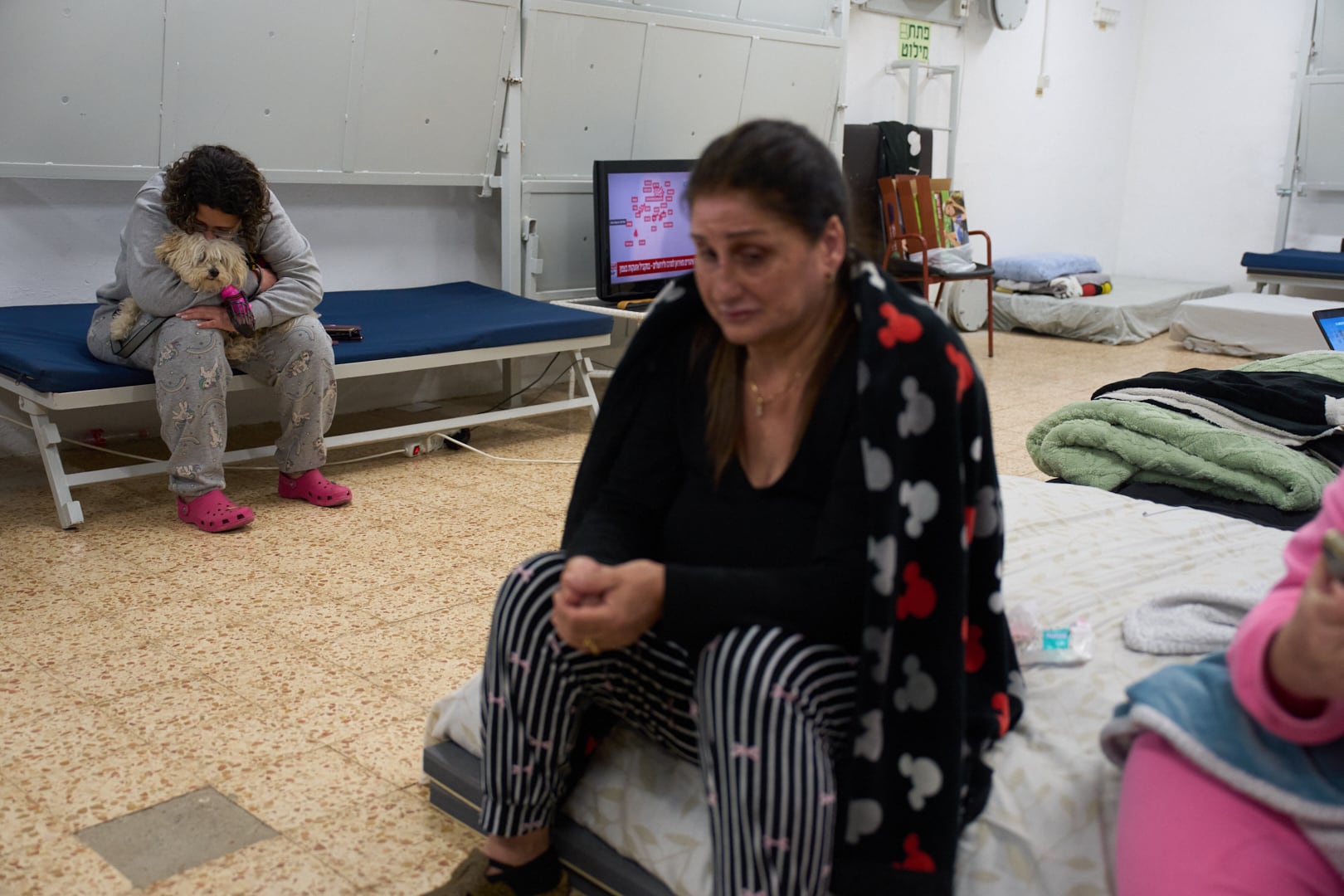
Nights are the worst, he said, holding back tears. The explosions are so close they feel like they’re coming directly into your room, and no one has slept more than two hours at a time, he said. During the day, people venture out to shop for provisions between sirens.
Some live in the shelters full-time
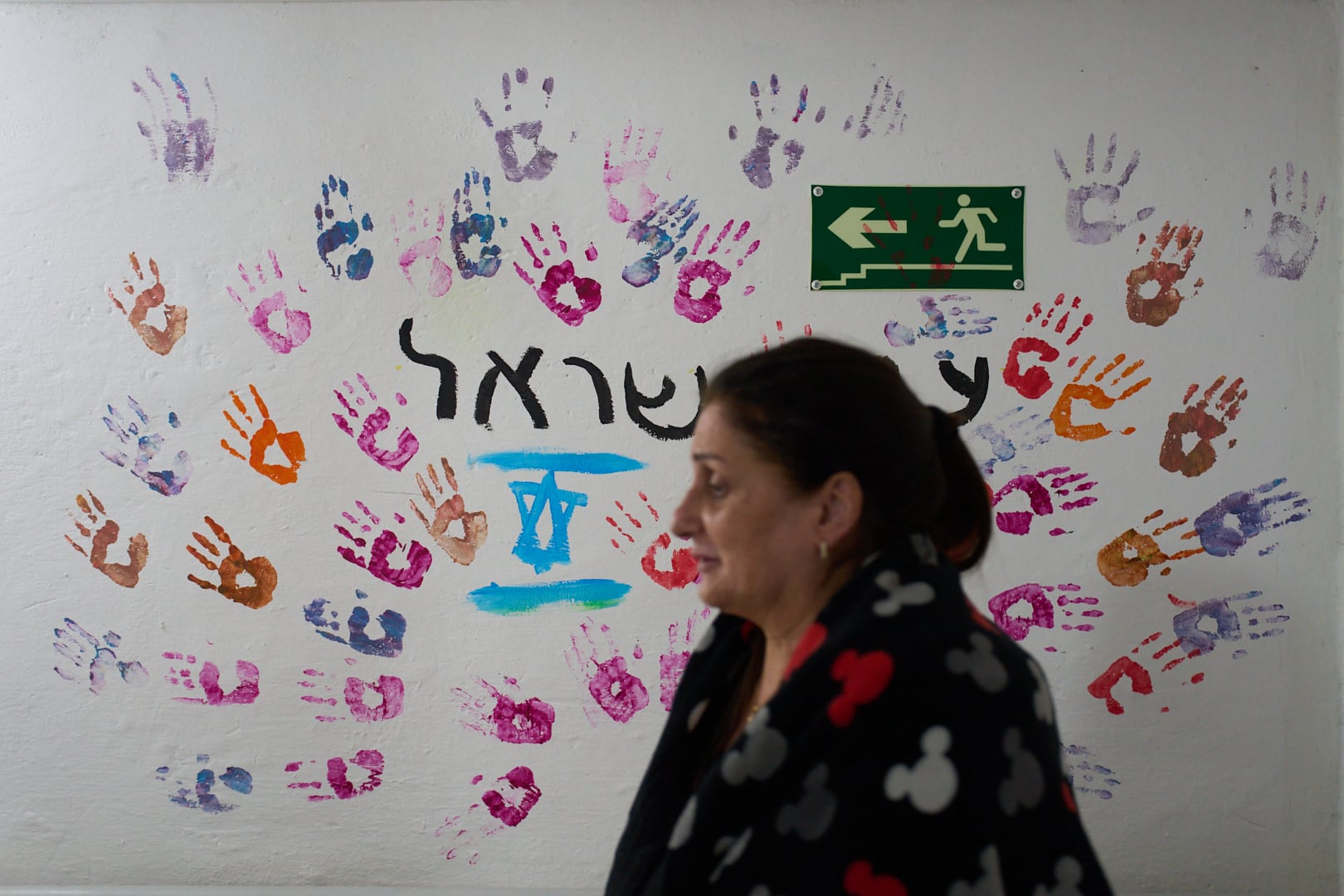
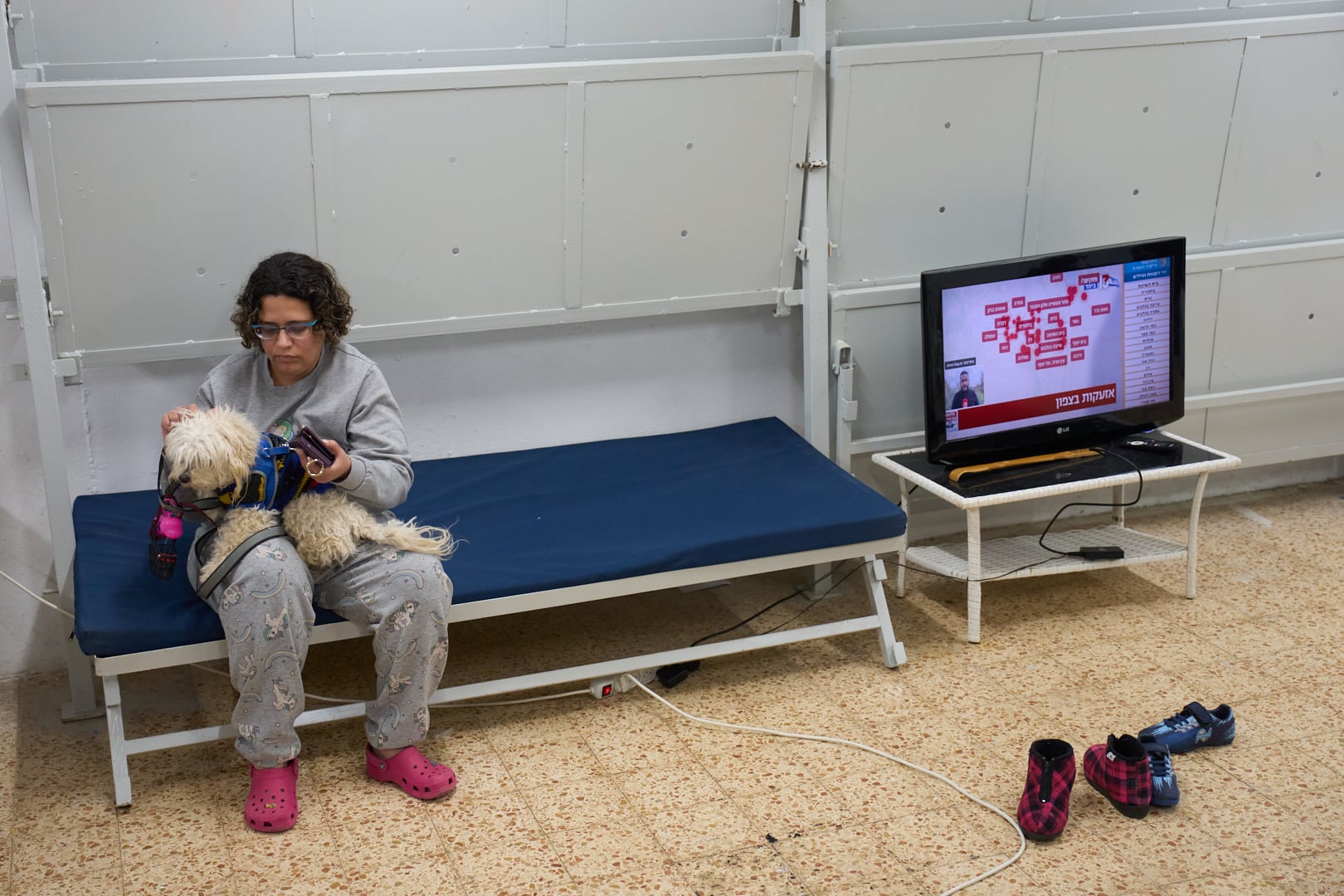
Bruria Danino, 61, moved into a shelter with her extended family after she broke her nose running to get there in the dark in the early days of this war.
They’ve spent most of the past two weeks living with three other families in their neighborhood shelter, where steel bunk beds fold down from the walls. When her grandson’s online classes are paused because of missile alerts, he casually switches to cartoons on his iPad and curls up on an inflatable mattress.
“They promised us a few years of quiet, but after 10 months, it’s the same situation,” Danino said.
Her daughter, Hodaya, said it feels like a “horror movie.”
“People say Israel’s homefront is so strong, but we’re not strong, we all have post-trauma,” she said.
She wants the government to cover the cost of evacuation, as it did during the last war. Everyone with the means to leave has done so, she said, leaving the less fortunate behind.
Israel has launched punishing strikes in response
Israel has launched waves of airstrikes on southern Lebanon and the southern suburbs of Beirut, areas where Hezbollah has a large presence but which are also home to hundreds of thousands of Lebanese civilians and suffered heavy destruction in the last war. Israeli ground troops have pushed deeper into southern Lebanon as Israel has warned people to evacuate from a wide area.
The strikes have killed hundreds of Lebanese, and over a million have fled their homes. Israel’s Defense Minister Israel Katz has said none will return until northern Israel is safe and calm.
The Iranian missiles have killed at least 12 people in Israel, and two soldiers have been killed in combat in southern Lebanon.
Pahima, who came back last spring, was born in Kiryat Shmona and raised four sons there. She loves the greenery surrounding her home and the quiet pace of the city, far from Israel’s bustling center. She worries the city may never return to how it was.
Many evacuated residents, especially those with children, never returned. The city refused to release information on how many evacuees came back, but Pahima and others estimate at least half have stayed away.
The city, which was already struggling from geographic isolation, now has even fewer opportunities for young people, she said. She understands why people are hesitant to return.
“Maybe it will calm down for a few years,” she said. “But then war will come back.”
Copyright 2026 The Associated Press. All rights reserved. This material may not be published, broadcast, rewritten or redistributed without permission.