

BISMARCK, N.D. (AP) — Greenpeace is fighting for its life in North Dakota's court system, where a judge has decided to order the environmental group to pay an expected $345 million to an energy company whose Dakota Access oil pipeline construction drew protests nearly a decade ago.
A jury last year found three Greenpeace entities liable for numerous claims and awarded more than $660 million to Energy Transfer in damages, which Judge James Gion cut nearly in half. Once the order he promised Tuesday is formally entered, both sides are expected to appeal to the North Dakota Supreme Court.
The $64 billion, Dallas-based energy conglomerate, which owns and operates thousands of miles (kilometers) of pipelines in 44 states, has objected to the halving of its award. Greenpeace USA has reported cash and assets nowhere near such hefty damages.
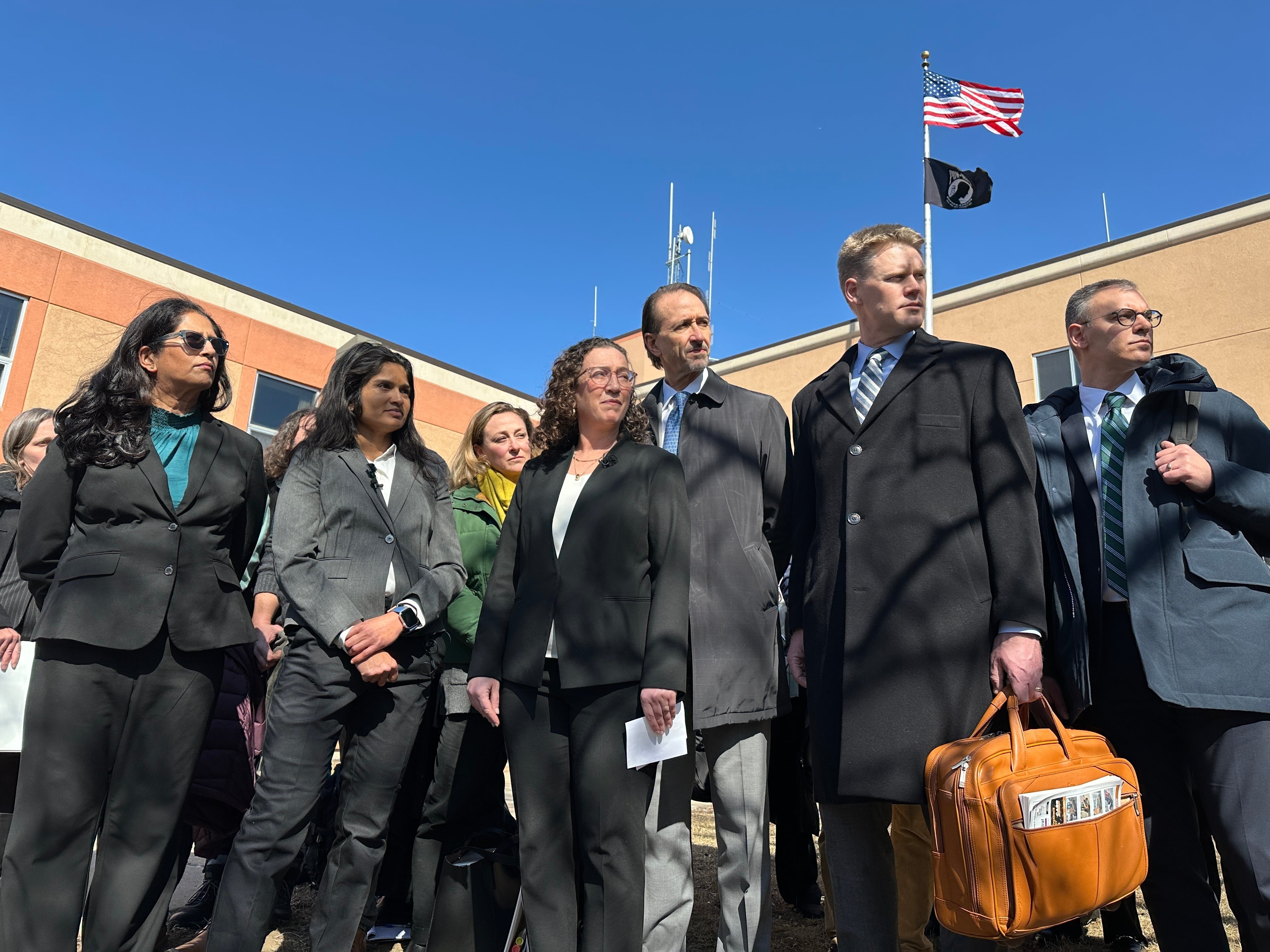
“We will be requesting a new trial and, failing that, will appeal the judgment to the Supreme Court of North Dakota, where Greenpeace International and the US Greenpeace entities have solid arguments for the dismissal of all legal claims against us,” Greenpeace International General Counsel Kristin Casper said Thursday.
Can Greenpeace survive?
Netherlands-based Greenpeace International, Greenpeace USA and funding arm Greenpeace Fund Inc. have said they will never stop working to protect the planet.
With footprints in more than 55 countries, Greenpeace calls itself “a global network of independent campaigning organizations that use peaceful protest and creative confrontation to expose global environmental problems and promote solutions that are essential to a green, just, and joyful future.”
Founded in 1971 in Canada by environmental activists seeking to stop nuclear weapons testing in Alaska's Aleutian archipelago, the group sailed a ship to “bear witness” to a test in a Quaker protest tradition.
They were intercepted by the Coast Guard, but it became a win when the U.S. stopped tests on the island. Their name, according to the group's website, was coined when someone left a meeting holding up two fingers and saying “Peace!” to which Canadian ecologist Bill Darnell said, “Let's make it a Green Peace.”
What has Greenpeace done?
Greenpeace activists have climbed bridges to hang banners and confronted whaling boats at sea. Three ships sail the world to advance the group’s causes.
Greenpeace members scaled a chemical plant’s smokestack to protest toxic pollution in 1981, and occupied a North Sea oil platform in 1995. They unfurled a banner reading “Resist” from a crane near the White House in 2017, days after President Donald Trump took action to restart Dakota Access construction. And in 2023, they covered the country estate of then-British Prime Minister Rishi Sunak in black fabric to protest new oil and gas drilling.
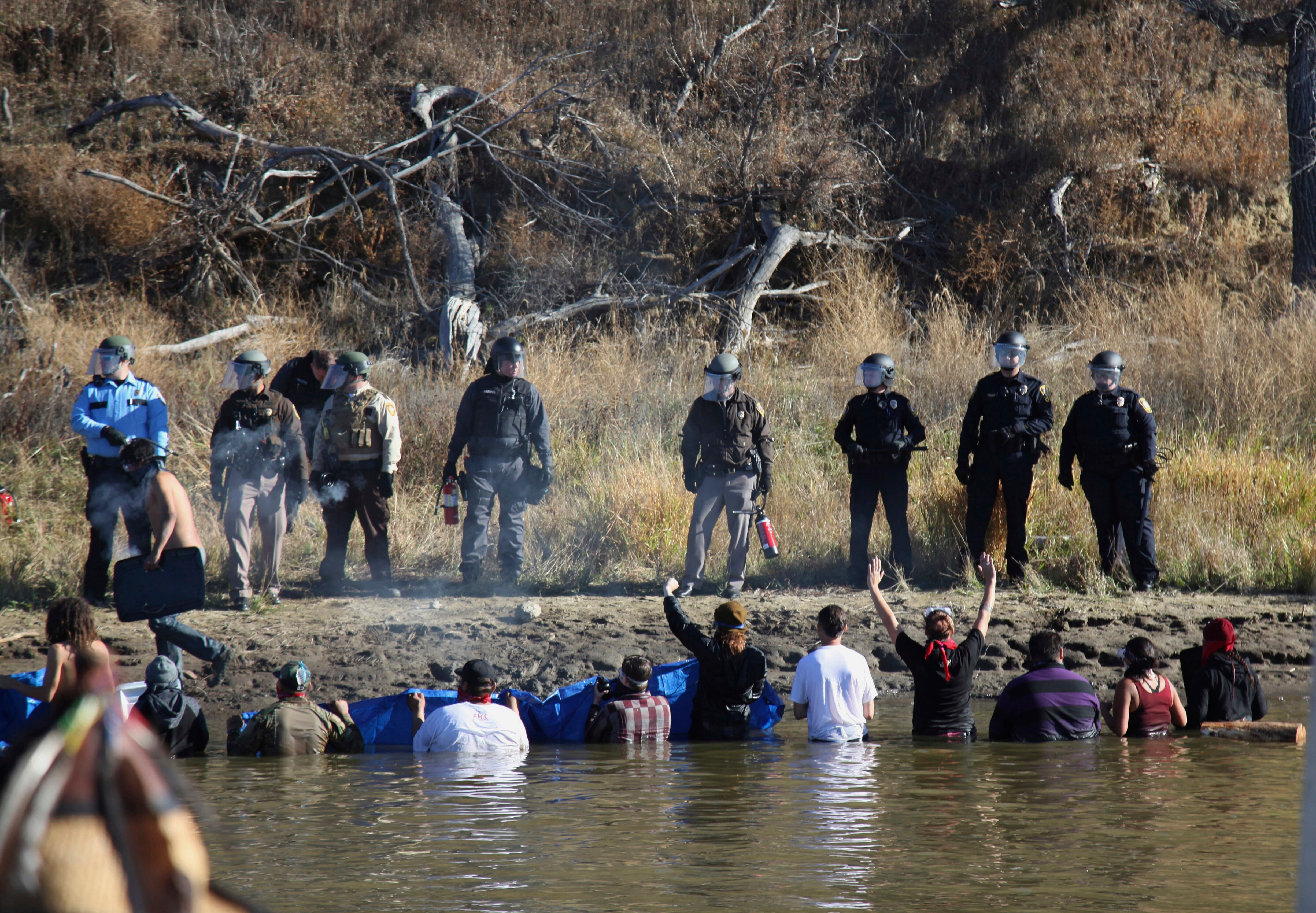
But it was the protests in North Dakota in support of the Standing Rock Sioux Tribe that mired the groups in legal trouble.
What is the lawsuit about?
Plans for the multibillion-dollar Dakota Access Pipeline that now moves oil through four Midwestern states drew widespread opposition after complaints from the tribe, whose reservation is downstream from the pipeline's Missouri River crossing. The tribe has long said the pipeline threatens its water supply.
The tribe's protest drew thousands of supporters, who camped in the area for months while trying to block construction. Hundreds of arrests resulted from the sometimes-chaotic protests in 2016 and 2017.
An attorney for Energy Transfer, Trey Cox, said Greenpeace exploited a small, disorganized, local issue to promote its agenda. He called the group “master manipulators” and “deceptive to the core.” He accused Greenpeace of paying professional protesters, organizing protester trainings, sharing intelligence of the pipeline route and even sending lockboxes so that demonstrators could attach themselves to equipment.
The Greenpeace groups said there was no evidence to those claims and that they had little or no involvement in the protests. They called the litigation lawfare, intended to silence activists and critics.
But the jury found Greenpeace USA liable on all counts, including defamation, conspiracy, trespass, nuisance and tortious interference. The other two entities were found liable for some of the claims.
Copyright 2026 The Associated Press. All rights reserved. This material may not be published, broadcast, rewritten or redistributed without permission.