

CAIRO (AP) — A drone strike ignited a fire at a electrical substation in western Libya on Wednesday, knocking the facility out of service in the latest of a wave of attacks on energy and oil infrastructure that threaten to plunge the country into further chaos.
The state-run General Electricity Company said in a statement that a power substation in the city of Zawiya that links power plants to homes and businesses was completely burned down.
The city of about 250,000 people has been rattled by a series of drone strikes that hit oil and power facilities. Zawiya is home to critical energy infrastructure, including Libya’s largest oil refinery, an export terminal and a power plant.
No group has so far claimed responsibility for the drone strikes.
The power company said the attack resulted in outages across southern parts of the city, which is located about 47 kilometers (about 30 miles) west of the capital Tripoli. Footage shared by the company showed massive flames and fireballs erupting from the facility.
Abdul-Hamid Dbeibah, the prime minister of one of Libya’s two rival governments, denounced the attacks on energy and power installations as “a serious crime and an escalation that will not go unanswered.”
“We will reach those responsible for this attack, and the accountability will be firm. No one will be protected by their position, status, or influence,” he said in a statement.
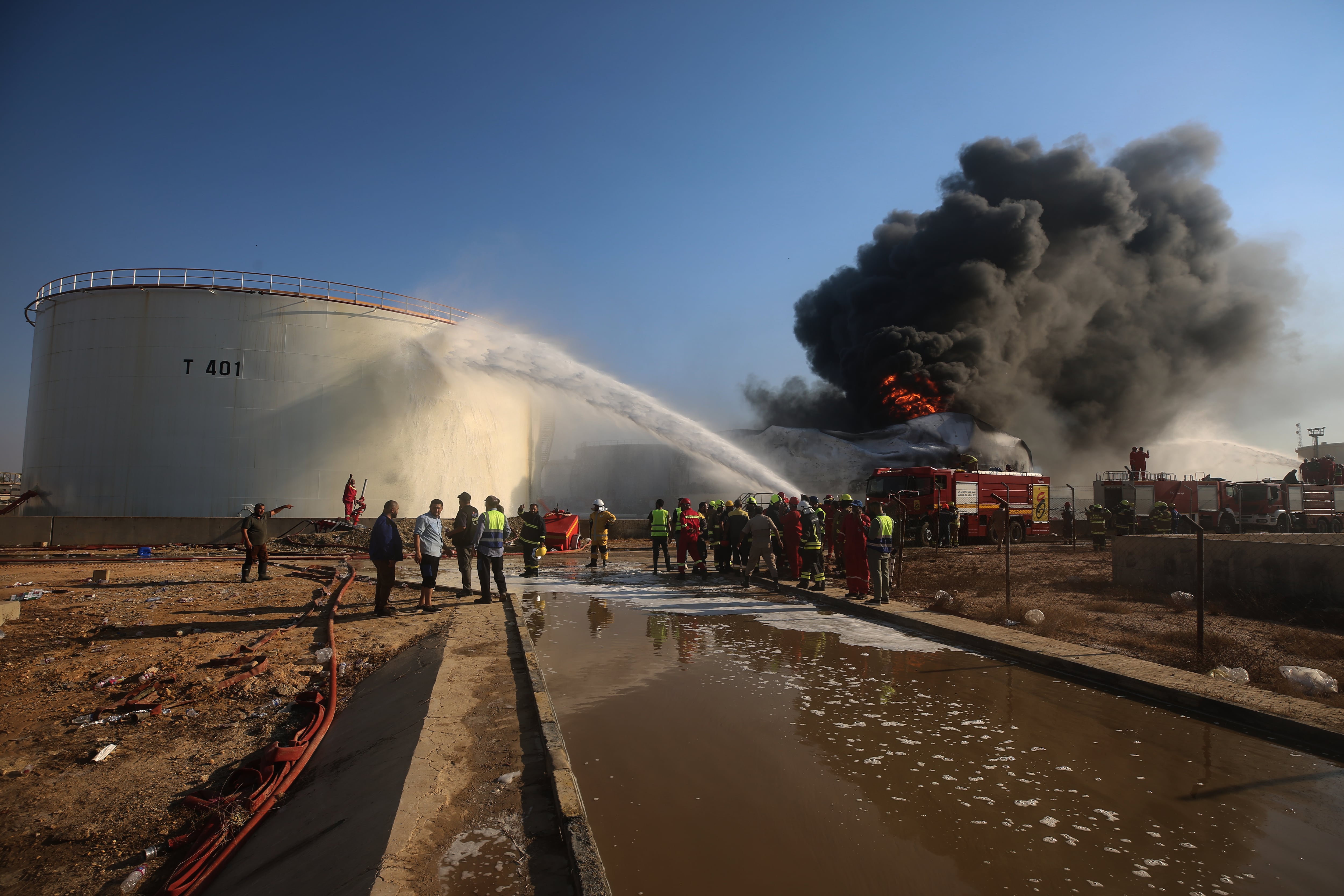
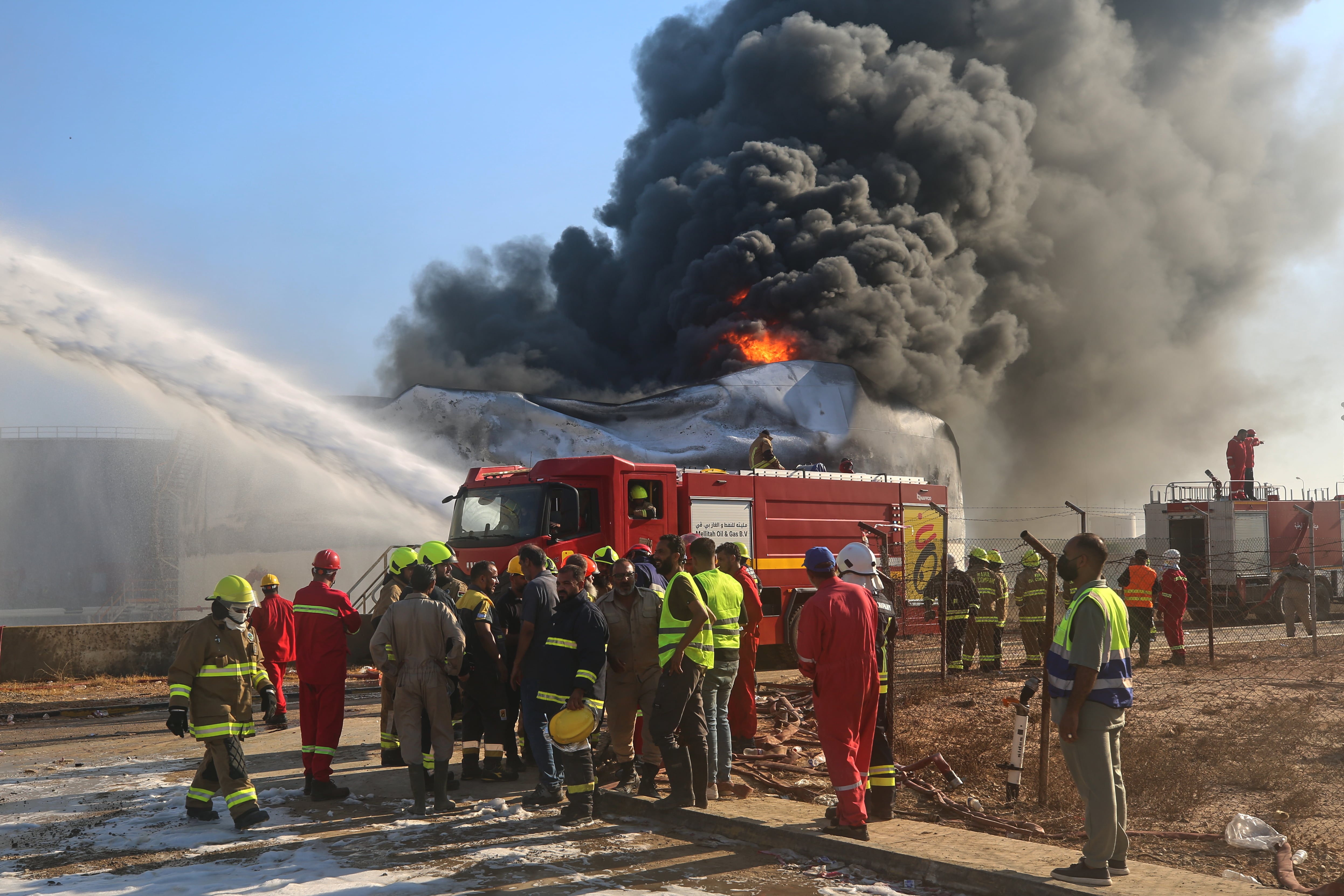
On Monday, a drone strike hit a fuel-laden tank at Zawiya's refinery, igniting a massive blaze which firefighters battled for over 15 hours. The refinery was repeatedly attacked over the weekend and on Tuesday, according to the state-run National Oil Corporation.
The power plant was hit by two drones on Tuesday, with one damaging its firefighting system while the second landed close to the facility’s main fuel storage, setting it on fire, the electricity company said.
The attacks come as tensions are rising between the government of western Libya and warlord Mohamed Bahroun, who controls the city of Zawiya. Much of western Libya is ruled by local militias loosely allied to Dbeibah’s government in Tripoli.
The country has been divided for years between rival administrations, each backed by armed groups and foreign governments. Dbeibah governs western Libya and the administration of Prime Minister Ossama Hammad governs the eastern part of the country.
After Tuesday’s attack on the power plant, the U.S. company General Electric withdrew its teams from the facility “until security conditions and a suitable and safe work environment are ensured,” the electricity company said. GE performs maintenance and upgrading services for the plant.
GE previously withdrew its staff from the plant over security concerns, prolonging the loss of more than 700 megawatts of the station’s production capacity, estimated at 1300 megawatts, the electricity company said.
The violence came as Turkish Foreign Minister Hakan Fidan was in Tripoli to meet with Dbeibah and Mohammad Younes Menfi, chairman of the Presidential Council.
Turkey is the main foreign backer of Dbeibah's government, but in recent years has also reached out to the rival authorities in eastern Libya in an attempt to mend ties, and as part of regional efforts to unify the North African country.
Libya, an oil-rich country on the Mediterranean, has been wracked by conflict since a NATO-backed uprising-turned-civil war toppled and killed longtime dictator Moammar Gadhafi in 2011.
Copyright 2026 The Associated Press. All rights reserved. This material may not be published, broadcast, rewritten or redistributed without permission.